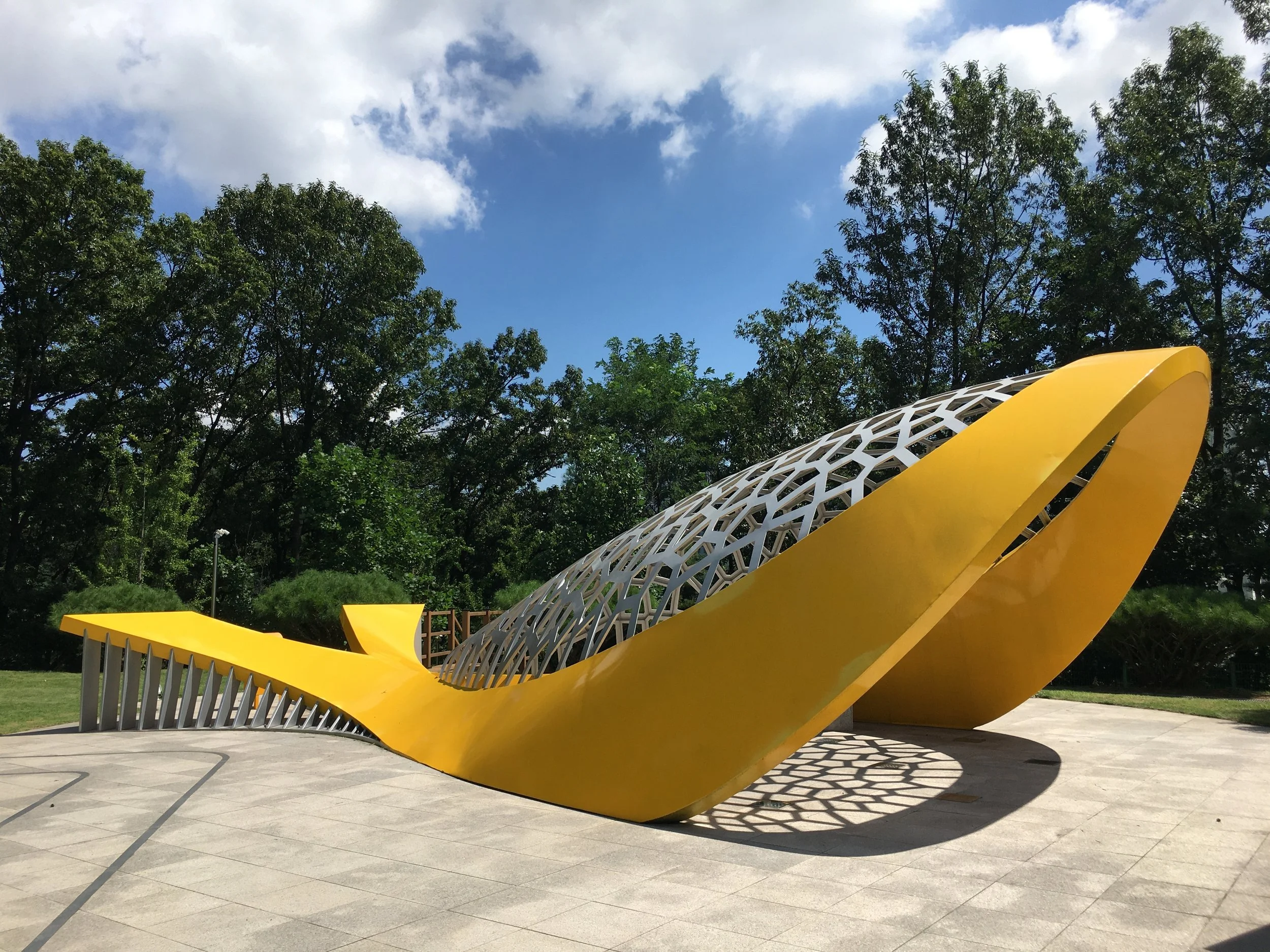
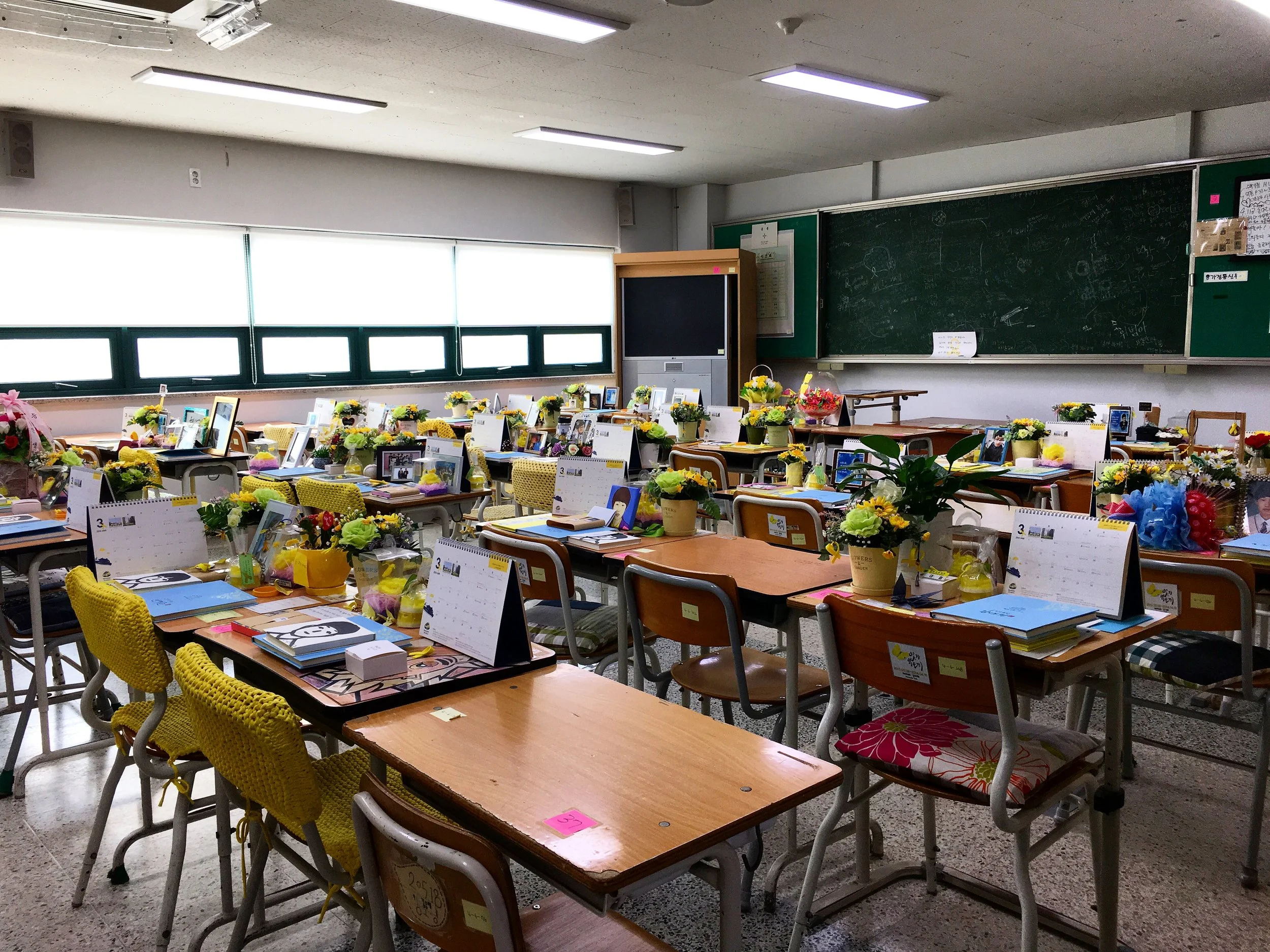
On April 16, 2014, the Sewol ferry capsized off the southwestern coast of South Korea, killing 304 people, including 250 students. The helplessness that many Koreans and others felt at the sinking was sharpened by the ways the Korean government mishandled the disaster, which has become the most galvanizing event in contemporary South Korean history. Throughout this rollercoaster of national trauma, public outrage, hope for change, and broken promises, an activist movement has taken shape among artists working through the medium of performance to process the disaster, commemorate its victims, and advocate for public change.
Beyond the Sewol: Activist Theatre and Performance in South Korea and Diaspora is the first book to spotlight this creative fluorescence of performative work, which spans the genres of theatre productions, exhibitions, interactive memorial events, site-specific public performances, street protests, and even commercial K-pop music videos. Korean artists, often working in collaboration with families and survivors of the Sewol ferry disaster, have created a public memory archive that counters official versions of the event. These performances have provided an arena through which activists have linked the project of commemorating the Sewol to broader demands for changes in politics and society, especially around issues of government accountability, redress for victims, and public empathy for survivors. By identifying and analyzing a multimedia collection of performative works commemorating the Sewol, this book reveals the ways in which activists and artists mobilizing performative strategies have labored to transform the meaning of the Sewol from an unresolved national trauma into a catalyst for creating a safer, fairer, and more caring society.
Beyond the Sewol has been published in September 2025 via the University of Hawai’i Press (https://uhpress.hawaii.edu/title/beyond-the-sewol-activist-theatre-and-performance-in-south-korea-and-the-diaspora/).
Beyond the Sewol has been shortlisted for the 2026 Outstanding Book Award from the Association for Theatre in Higher Education (ATHE): https://www.athe.org/news/728758/Announcing-This-Years-Award-Finalists.htm
From Theatre Research International (https://doi.org/10.1080/03078833.2026.2728808):
“The book stands out for its rich ethnographic research, guiding the reader through an interdisciplinary range of work, including theatre, site-specific performances, exhibitions of objects, pilgrimages, hologram protests, interactive performances, K-pop songs and advertisements, as each emerged as an ethical response to the disaster across South Korea and the US. The result is a deeply moving account of how the bereaved families, artists, and citizens in solidarity have come together to reckon with the tragedy. With the breadth of performance examined, the book will remain a crucial work that shows the power of performance in keeping the memory of the Sewol alive, serving as an indispensable foundation for future scholarship on Sewol, particularly as one of the earliest book-length studies devoted to Sewol and performance.”
From The Journal of Asian Studies (https://doi.org/10.1215/00219118-12601595):
“Beyond the Sewol is the first book-length study of the 2014 Sewol Ferry disaster published in English. Centering on theater while also broadening the scope to K-pop and discursive media performance, Jeong demonstrates how performance functions as an embodied practice of archiving, memorialization, political mobilization, and knowledge transmission. This book will be useful not only to readers interested in learning more about the Sewol and its aftermath but also to teachers and students of performances studies, Korean studies, and trauma studies more broadly. The book’s central question asks whether “performance can play a key role” in transforming traumatic experiences into action for social change (159). However, the book goes further by asking what distinguishes performance—particularly theater—from other cultural works. What does theater actually do materially to produce social change? Why have bereaved families and activists repeatedly (re)turned to performance, from staged theater to site-specific and protest performances, as a mode of political and emotional engagement?”